 Facebook
 X
X
 Pinterest
 Copy Link
Downsizing Your Home Can Save You in Retirement

Retirement is a time for relaxation, adventure, and enjoyment. However, financial worries can put a damper on these golden years. One strategy that can help retirees in Cape Girardeau County, Missouri, save money and improve their financial situation is downsizing their home. By moving to a smaller, more manageable house, retirees can free up money and resources, making their retirement more comfortable. Here’s how downsizing can supercharge your retirement savings:
Understanding the Financial Benefits of Downsizing Your Home
When retirees downsize their homes, they often find themselves with extra money. Here are some key financial benefits:
Lower Monthly Expenses
Smaller homes usually mean lower utility bills, property taxes, and insurance costs. For example, heating and cooling a smaller home is less expensive, and smaller properties often come with lower tax assessments.
Reduced Maintenance Costs
A smaller home typically means less time and money spent on maintenance. There’s less space to clean, fewer appliances to repair, and generally less wear and tear. This can be a significant relief for retirees who may no longer want to or can physically maintain a large home.
Release Home Equity
Downsizing can help retirees access the equity in their current home. Selling a larger house and buying a smaller one often leaves a nice chunk of change, which can be added to retirement savings. This could also offer the financial flexibility to invest in other opportunities, such as travel or hobbies.
Planning Your Downsizing Journey
To make downsizing effective, it’s crucial to plan thoroughly. Here are actionable steps to guide you:
1. Evaluate Your Current Financial Situation
Before making any big decisions, retirees should review their financial status. This includes looking at current income, savings, and expenses to determine how much you can potentially save by moving to a smaller home. Working with a financial advisor can provide professional insights tailored to individual needs.
2. Assess Your Housing Needs
List the features that are essential in your new home. Think about the number of bedrooms, bathrooms, yard size, and proximity to essential services like grocery stores, medical facilities, and recreational centers. It’s useful to think ahead about future needs, such as accessibility features for aging.
3. Consider the Current Market
It’s vital to understand the real estate market in Cape Girardeau County, Missouri. Knowing whether it’s a buyer’s or seller’s market can influence when to sell your current home and purchase a new one. Consulting with a local real estate expert can provide clarity on timing and potential property options.
Steps to Downsize Your Home
Now that the initial planning is done, here are concrete steps to help retirees downsize effectively:
1. Declutter Your Current Home
Start by going through each room and sorting items into categories: keep, donate, sell, and discard. It’s best to start with unused or storage areas, like attics and basements. Dealing with one room at a time can make this task more manageable. Selling unwanted items through online marketplaces or garage sales can also generate extra cash.
2. Find the Right Realtor
Choosing a realtor experienced with downsizing can make the process smoother. Look for someone who understands the local market, has a good track record, and is familiar with the needs of retirees. This professional can help find a smaller home that meets your specifications and effectively market your current home to potential buyers.
3. Scout New Locations
Visit and explore communities where you might want to live. Take note of the amenities available, the neighborhood atmosphere, and accessibility. Participating in open houses can give a real feel for the different property options in Cape Girardeau County.
Financial Considerations in Downsizing
Downsizing isn’t just about moving to a smaller home; it also involves several financial considerations:
1. Analyzing the Costs
There are costs involved in selling your home and buying a new one. These include real estate agent fees, closing costs, moving expenses, and potential renovations for either the old or new home. Budgeting for these expenses ahead of time is crucial.
2. Managing the Proceeds
Deciding what to do with the money saved from downsizing can significantly impact retirement. Some retirees may choose to pay off debts, while others might invest the proceeds in low-risk investments, or set aside funds for travel and leisure activities. Again, consulting with a financial advisor can provide tailored strategies.
3. Understanding Tax Implications
Downsizing might affect your tax situation, especially if there are capital gains from selling your home. Understanding these implications can help in planning your finances more effectively.
Emotional and Practical Aspects of Downsizing
Moving from a long-time family home can be emotional. Here are some tips to handle the practical and emotional aspects of downsizing:
1. Taking Time to Adjust
Allow yourself time to adjust to the idea of moving. It’s normal to feel a sense of loss when leaving a home filled with memories. Keep in mind the long-term benefits and focus on the excitement of starting a new chapter.
2. Practical Moving Tips
Start packing early, label boxes clearly, and consider hiring professional movers specialized in helping older adults. Being organized can reduce the stress of moving day.
3. Creating New Memories
Embrace the new space and create fresh memories. Engage in community activities, explore the new neighborhood, and make your new house feel like home by decorating with treasured items.
Conclusion
Downsizing your home in Cape Girardeau County, Missouri, can lead to significant financial benefits during retirement. By reducing monthly expenses, lowering maintenance costs, and accessing home equity, retirees can enhance their savings and enjoy a more comfortable lifestyle. With careful planning, evaluating financial needs, and taking practical steps, downsizing can be a smooth transition to a fulfilling retirement.
Additional Resources:
Bathroom Upgrades You Can Finish in a Weekend

Are you looking to give your bathroom a fresh new look without breaking the bank? You don’t need to hire an expensive contractor or spend weeks on renovations. In fact, there are several easy and inexpensive do-it-yourself (DIY) projects you can complete in just a weekend. Here are ten affordable bathroom upgrades you can finish in a weekend that will transform your space, making it feel fresh and updated.
Bathroom Upgrades You Can Finish in a Weekend
Let’s get started…
1. Fresh Coat of Paint
One of the easiest and most cost-effective ways to refresh your bathroom is by giving it a new coat of paint. Choose a color that complements your tiles and fixtures. Lighter shades can make the room feel bigger, while darker colors add a touch of elegance.
Steps:
- Remove any decorations and cover fixtures with painter’s tape.
- Clean the walls to remove any dirt or grime.
- Use a roller to paint the larger areas and a brush for edges and corners.
- Allow the paint to dry completely before adding a second coat if necessary.
- Enjoy your refreshed space!
2. Update the Hardware
Replacing old hardware like faucets, drawer pulls, and towel bars is a quick and simple way to modernize your bathroom. Choose finishes that match your style, such as brushed nickel or matte black.
Steps:
- Use a screwdriver to remove the old hardware.
- Attach the new hardware using the screws provided.
- Make sure everything is tightly secured.
- Immediately notice the uplift in your bathroom’s appearance!
3. Install Peel-and-Stick Backsplash
Adding a backsplash can transform your bathroom, giving it a polished look. Peel-and-stick tiles are an easy and budget-friendly option.
Steps:
- Measure the area where you will apply the backsplash.
- Clean the wall to ensure the tiles adhere properly.
- Peel off the backing and carefully stick the tiles onto the wall.
- Smooth out any bubbles with a flat object.
- Trim any excess using a utility knife for a perfect fit.
4. Refresh Grout Lines
Dirty and stained grout can make a bathroom look outdated. Refreshing the grout lines can make your tiles look brand new.
Steps:
- Use a grout cleaner or a mixture of baking soda and water.
- Apply the cleaner to the grout lines and scrub with a stiff brush.
- Rinse the area with water and let it dry.
- Consider using a grout pen to recolor the grout for a more dramatic change.
5. Replace the Shower Curtain and Liners
A new shower curtain can instantly add a pop of color and pattern to your bathroom. Choose a fabric and design that complements your bathroom’s theme.
Steps:
- Remove the old shower curtain and liner.
- Choose a new curtain and liner that fit your style.
- Hang them up, making sure they are attached securely.
- Enjoy the fresh new look.
6. Add New Lighting
Proper lighting can make a big difference in any bathroom. Swap out old fixtures for new, modern ones to brighten up the space.
Steps:
- Turn off the electricity to the bathroom.
- Remove the old light fixture.
- Follow the manufacturer’s instructions to install the new fixture.
- Turn the electricity back on and test the new lighting.
7. Install Shelving for Extra Storage
Adding shelves can maximize your storage space and keep your bathroom organized. Floating shelves are a stylish and practical choice.
Steps:
- Measure the wall space where you’ll install the shelves.
- Use a level to ensure they’ll be straight.
- Attach the brackets to the wall with screws.
- Place the shelves on the brackets and secure them.
- Arrange your toiletries and decorations for a clutter-free bathroom.
8. Frame Your Bathroom Mirror
Framing a plain bathroom mirror can give it a more finished and elegant look.
Steps:
- Measure the mirror and cut the frame pieces to size.
- Paint or stain the frame to match your bathroom decor.
- Attach the frame to the mirror using mirror adhesive.
- Hold the frame in place until the adhesive sets.
- Admire your handiwork!
9. Upgrade to a Rain Showerhead
Swapping your old showerhead for a rain showerhead can make your daily shower feel more luxurious.
Steps:
- Unscrew the old showerhead.
- Apply plumber’s tape to the threads of the shower arm.
- Screw on the new rain showerhead.
- Tighten with a wrench if necessary.
- Test the water flow and enjoy your upgraded shower experience.
10. Add a Fresh Set of Towels and Bath Mats
New towels and bath mats can add color and comfort to your bathroom.
Steps:
- Choose towels and mats that match your bathroom’s color scheme.
- Replace old, worn towels and bath mats with the new ones.
- Arrange them neatly to add a touch of style.
Final Thoughts
With just a weekend of your time and a modest budget, you can easily transform your bathroom into a refreshed and inviting space. These ten DIY upgrades are simple yet impactful, making your bathroom feel like new without a major renovation. So roll up your sleeves, gather your supplies, and get started on these affordable bathroom upgrades you can finish in a weekend!
Additional Resources:
- Do you have an unfinished basement you want to better utilize? Click here for some cost-effective ideas.
- Here are some low-cost updates to maximize your selling price.
Get Ready To Buy a Home by Improving Your Credit Score

The idea of buying a new home might be on your mind in the next year. It’s an exciting goal to set, and it’s never too early to start laying the groundwork. One crucial step to prepare for homeownership is improving your credit score.
Improving Your Credit Score
Lenders review your credit to assess your ability to make payments on time, pay back debts, and more. It’s also a factor that helps determine your mortgage rate. An article from CNBC explains:
“When it comes to mortgages, a higher credit score can save you thousands of dollars in the long run. This is because your credit score directly impacts your mortgage rate, which determines the amount of interest you’ll pay over the life of the loan.”
This means your credit score may feel even more important to your homebuying plans right now since mortgage rates are a key factor in affordability, especially today.
According to the Federal Reserve Bank of New York, the median credit score in the U.S. for those taking out a mortgage is 770. But that doesn’t mean your credit score has to be perfect. An article from Business Insider explains generally how your FICO score range can make an impact:
“. . . you don’t need a perfect credit score to buy a house. . . . Aiming to get your credit score in the ‘Good’ range (670 to 739) would be a great start towards qualifying for a mortgage. But if you’re wanting to qualify for the lowest rates, try to get your score within the ‘Very Good’ range (740 to 799).”
Working with a trusted lender is the best way to get more information on how your credit score could factor into your home loan and the mortgage rate. As FICO says:
“While many lenders use credit scores like FICO Scores to help them make lending decisions, each lender has its own strategy, including the level of risk it finds acceptable. There is no single “cutoff score” used by all lenders and there are many additional factors that lenders may use to determine your actual interest rates.”
If you’re looking for ways to improve your score, Experian highlights some things you may want to focus on:
- Your Payment History: Late payments can have a negative impact by dropping your score. Focus on making payments on time and paying any existing late charges quickly.
- Your Debt Amount (relative to your credit limits): When it comes to your available credit amount, the less you’re using, the better. Focus on keeping this number as low as possible.
- Credit Applications: If you’re looking to buy something, don’t apply for additional credit. When you apply for new credit, it could result in a hard inquiry on your credit that drops your score.
A lender will help guide you through the process from start to finish, from assessing which range your score falls into and telling you more about the specifics for each loan type.
Bottom Line
As you set your sights on buying a home in the upcoming year, focusing on improving your credit score could help you get a better mortgage rate when the time comes. If you want to learn more, connect with a trusted lender.

Resources
More resources for your homeownership journey:
2023 Housing Trend

If you’re thinking about moving, it’s important to understand the 2023 housing trend. Here’s an update on the supply of homes currently for sale. Whether you’re buying or selling, the number of homes in your area is something you should pay attention to.
2023 Housing Trend – Number of Homes Coming onto the Market
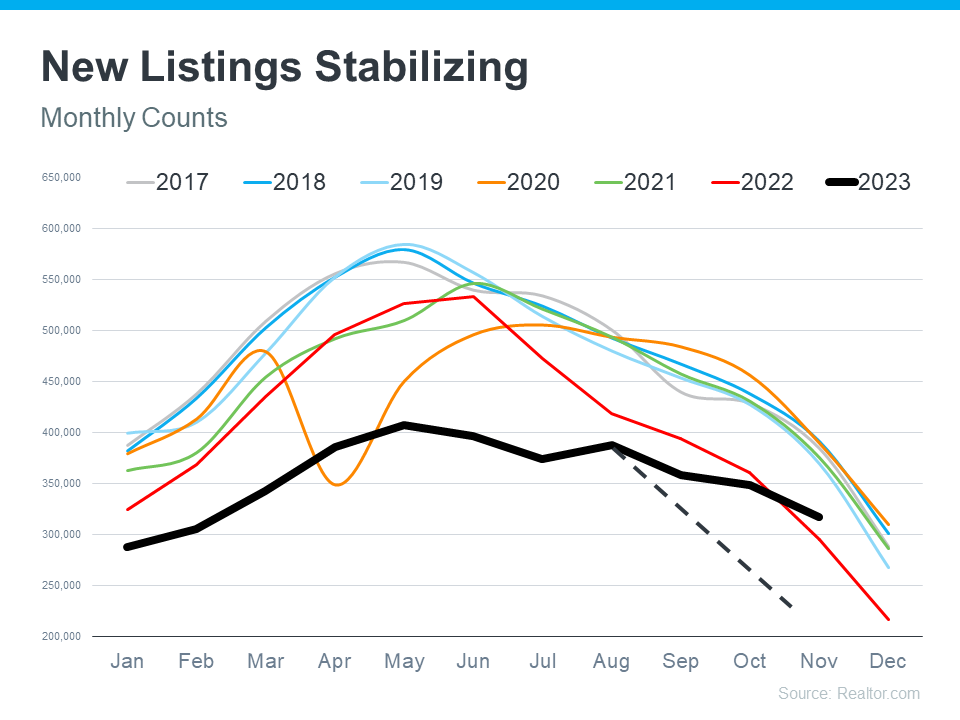
In the housing market, there are regular patterns that happen every year, called seasonality. Spring is the peak homebuying season and also when most homes are typically listed for sale (homes coming onto the market are known in the industry as new listings). In the second half of each year, the number of new listings typically decreases as the pace of sales slows down.
The graph below uses data from Realtor.com to provide a visual of this seasonality. It shows how this year (the black line) is breaking from the norm (see graph below):
Looking at this graph, three things become clear:
- 2017-2019 (the blue and gray lines) follow the same general pattern. These years were very typical in the housing market and their lines on the graph show normal, seasonal trends.
- Starting in 2020, the data broke from the normal trend. The big drop down in 2020 (the orange line) signals when the pandemic hit and many sellers paused their plans to move. 2021 (the green line) and 2022 (the red line) follow the normal trend a bit more, but still are abnormal in their own ways.
- This year (the black line) is truly unique. The steep drop off in new listings that usually occurs this time of year hasn’t happened. If 2023 followed the norm, the line representing this year would look more like the dotted black line. Instead, what’s happening is the number of new listings is stabilizing. And, there are even more new listings coming to the market this year compared to the same time last year.
What Does This Mean for You?
- For buyers, new listings stabilizing is a positive sign. It means you have a more steady stream of options coming onto the market and more choices for your next home than you would have at the same time last year. This opens up possibilities and allows you to explore a variety of homes that suit your needs.
- For sellers, while new listings are breaking seasonal norms, inventory is still well below where it was before the pandemic. If you look again at the graph, you’ll see the black line for this year is still lower than normal, meaning inventory isn’t going up dramatically and prices aren’t heading for a crash. And with less competition from other sellers than you’d see in a more typical year, your house has a better chance to be in the spotlight and attract eager buyers.
So there you have it…the 2023 housing trend. Whether you’re on the hunt for your next home or thinking of selling, now might just be the perfect time to make your move. If you have questions or concerns about the availability of homes in our local area, let’s connect.

Resources
More resources for your homeownership journey:
Benefits of Buying Your First Home

Thinking about buying your first home? Knowing what led other people to make that decision can be helpful. According to a recent survey of first-time homebuyers by PulteGroup:
“When asked why they purchased their first home recently, the answer was simple: because they wanted to. Either the desire to stop renting or recognition that homeownership is a smart financial investment was the main motivator for 72% of respondents.”
While that survey looked specifically at first-time homebuyers buying newly built homes, the same sentiment is true for just about anyone buying their first home. Here’s a bit more information to help you think about those two benefits of homeownership to see if they’re a key factor for you too.
Benefits of Buying Your First Home
When You Buy a Home, You Have More Stability than When You Rent
You might want to stop renting because rents keep going up. If you’re a renter, that means there’s a chance your payment will increase each time you sign a new rental agreement or renew your current one.
On the other hand, when you buy your home with a fixed-rate mortgage, your monthly housing payment is predictable over the length of that loan. This stability can give you peace of mind that renting just can’t provide. Jeff Ostrowski, real estate journalist, breaks it down:
“With a fixed-rate mortgage, your monthly principal and interest payment is set for as long as you keep the loan. Sign a rental lease, however, and you could see your rent rise the following year, the year after that and so on.”
When You Buy a Home, You Grow Your Wealth as Home Values Climb
Beyond that, owning a home can also be an excellent long-term investment. While renting may be the more affordable option right now, it doesn’t allow you to grow your wealth over time. Mark Fleming, Chief Economist at First American, explains that’s an important distinction to consider:
“Given current dynamics, more young households may choose to rent in the near term as the cost to own, excluding house price appreciation, has unequivocally increased. Yet, accounting for house price appreciation in that cost of homeownership, whether to rent or buy will depend on where, and if, a home is likely to cost more or less in the near future.”
Basically, renting doesn’t allow you to build equity. In contrast, homeownership can help you grow your net worth as your home’s value appreciates. That’s a significant perk you can’t get if you keep renting.
When you take that into account, it may make better financial sense to buy. Most experts project home prices will continue to appreciate over the next few years at a pace that’s more normal for the market. That means when you buy a home, not only are you investing in a place to live, but you’re also investing in your financial future.
Bottom Line
If you’re ready, it can be a smart move to buy your first home instead of renting. Let’s connect so you can stabilize your housing payment and start building wealth for your future.
Resources
More resources for your homeownership journey:
October Home Maintenance Checklist

October is here! October brings much beauty to Cape Girardeau County. Whether you live in Cape Girardeau MO or Jackson MO, the landscape is sure to be full of vibrant fall colors. Why bother with the October Home Maintenance Checklist when we could be enjoying the outdoors?
October also means the temps are starting to drop as we begin to move indoors.
It is important to start preparing our homes for the winter migration to come.
October Home Maintenance Checklist
Here are a few things we need to focus on to start preparing our homes for that move. Let’s get started…
- Check Furnace Filters / Change if Needed
- Run Water & Flush Toilets in Unused Spaces
- Check Water Softener & Add Salt if Needed
- Clean Gutters & Downspouts
- Clean and Inspect Chimney
- Clean Garbage Disposal
- Treat Septic System if Needed
- Fall Deep Clean Living Areas
- Fertilize and Seed Lawn
- Check Outdoor Light Bulbs

Tackling a couple of tasks from the list each week will still allow plenty of time to visit the local pumpkin patch with the rest of the family.
Cleaning the gutters can be a challenging task. Not the kind of job you look forward to even though it is a very important job to keep current. You will find some very helpful tips in this article, “9 Tips To Clean Your Gutters Without Breaking a Sweat.” Safety First. Make sure you have an assistant ready to help!
Not sure how to clean your garbage disposal? Here is a short video with a couple of quick steps to keep it clean…
Just in case you missed September, you can find it here.
So there you have it, Cape County! Start the list this weekend and leave much time to enjoy October!
Estate Planning To Secure Your Legacy

Estate planning is often overlooked or delayed, as contemplating our own mortality can be uncomfortable. However, understanding the crucial role of estate planning is essential for ensuring a smooth transition of assets, protecting loved ones, and preserving your legacy. By taking proactive measures, you can alleviate potential burdens and create a secure future for yourself and generations to come.
Estate Planning To Secure Your Legacy
- Preserving Wealth and Assets: Estate planning allows individuals to dictate how their wealth and assets will be distributed after their passing. By creating a comprehensive plan, you can ensure that your loved ones receive their intended inheritances, minimizing potential conflicts and legal disputes. From properties and investments to personal belongings and sentimental heirlooms, estate planning safeguards your hard-earned assets and helps you leave a lasting legacy.
- Protecting Loved Ones: Estate planning is not solely about finances; it also addresses crucial matters such as guardianship for minor children and care for dependents with special needs. By appointing guardians and establishing trusts, you can ensure that your children are cared for by individuals you trust and that their financial well-being is secure. Additionally, estate planning allows you to plan for unforeseen circumstances, such as incapacity, by designating healthcare proxies and granting powers of attorney.
- Minimizing Tax Burdens: One of the key advantages of estate planning is the opportunity to minimize tax liabilities for your heirs. Through strategic planning, you can take advantage of various tax-saving strategies, such as gifting, charitable donations, and trust structures. These measures can significantly reduce estate taxes and maximize the amount passed on to your beneficiaries, providing them with a more substantial financial foundation.
Secure Your Legacy
Estate planning to secure your legacy is an indispensable process that ensures the smooth transfer of assets, protects loved ones, and minimizes tax burdens. By taking the time to create a well-thought-out estate plan, you can enjoy peace of mind knowing that your wishes will be carried out, your loved ones will be taken care of, and your legacy will endure for generations to come. Start the estate planning process today to secure a prosperous and organized future.
Resources
Thinking about retirement? Here are some helpful resources:
Three Factors Affecting Home Affordability Today

There’s been a lot of focus on higher mortgage rates and how they’re creating affordability challenges for today’s homebuyers. It’s true that rates climbed dramatically since the record-low we saw during the pandemic. But home affordability is based on more than just mortgage rates – here are three factors affecting home affordability today.
Considering how each one of these factors is changing gives you the full picture of home affordability today. Here’s the latest.
Three Factors Affecting Home Affordability Today
1. Mortgage Rates
While mortgage rates are higher than they were a year ago, they’ve hovered primarily between 6% and 7% for nearly eight months now (see graph below):
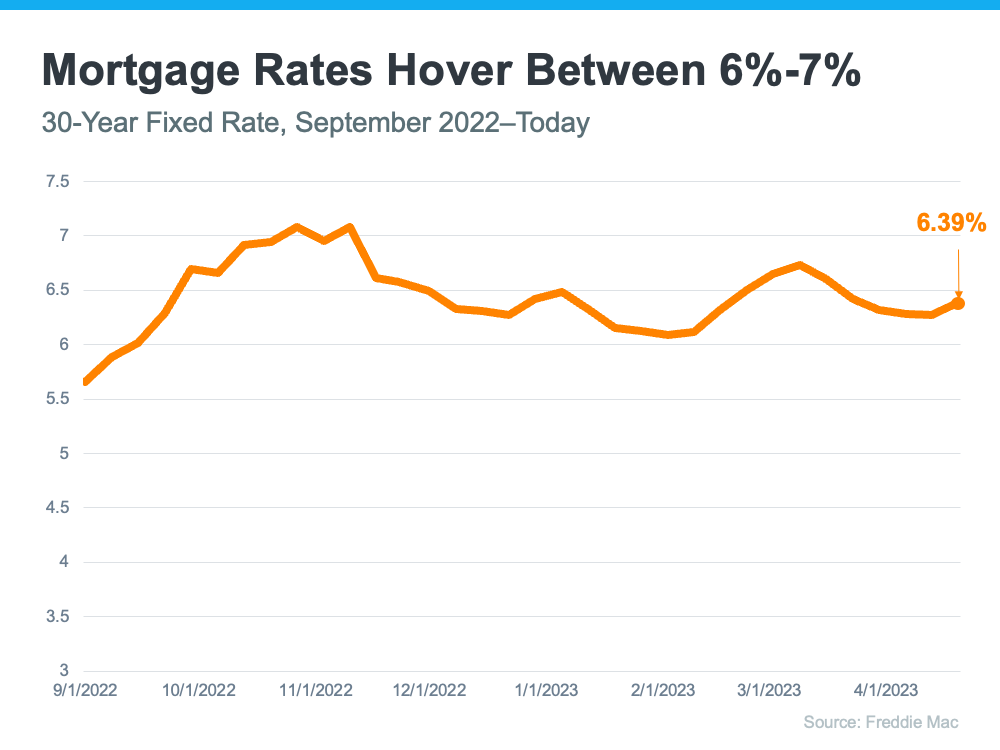
As the graph shows, mortgage rates have experienced some volatility during that time. And even a small change in mortgage rates impacts your purchasing power. That’s why it’s so important to lean on your team of real estate professionals for expert advice to stay up to date on what’s happening in the market. While it’s hard to project where mortgage rates will go from here, many experts agree they’ll likely continue to remain around 6%-7% in the immediate future.
2. Home Prices
Over the past few years, home prices appreciated rapidly as the record-low mortgage rates we saw during the pandemic led to a surge in buyer demand. The heightened buyer demand happened while the supply of homes for sale was at record lows, and that imbalance put upward pressure on home prices. However, today’s higher mortgage rates have slowed down price appreciation.
And, the truth is, home price appreciation varies by market. Some areas are seeing slight declines while others have prices that are climbing. As Selma Hepp, Chief Economist at CoreLogic, explains:
“The divergence in home price changes across the U.S. reflects a tale of two housing markets. Declines in the West are due to the tech industry slowdown and a severe lack of affordability after decades of undersupply. The consistent gains in the Southeast and South reflect strong job markets, in-migration patterns and relative affordability due to new home construction.”
To find out what’s happening with prices in your local market, reach out to a trusted real estate agent.
3. Wages
The most positive factor in affordability right now is rising income. The graph below uses data from the Bureau of Labor Statistics (BLS) to show how wages have grown over time:
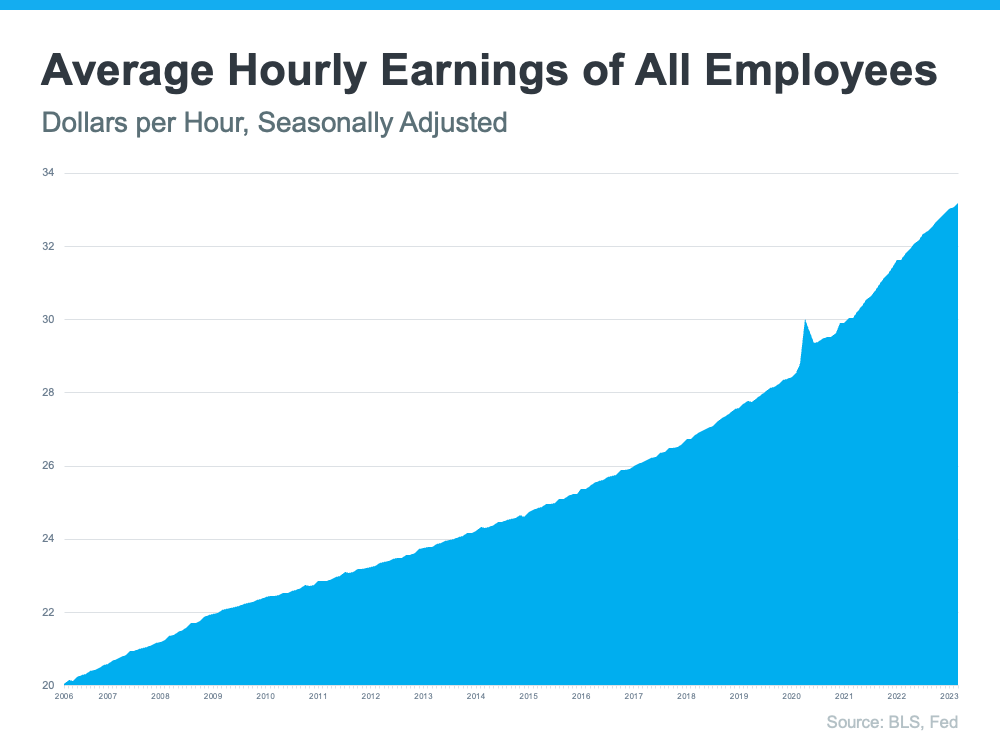
Higher wages improve affordability because they reduce the percentage of your income it takes to pay your mortgage since you don’t have to put as much of your paycheck toward your monthly housing cost.
Home affordability comes down to a combination of rates, prices, and wages. If you have questions or want to learn more, reach out to a real estate professional who can explain what’s happening locally and how these factors work together.
Bottom Line
If you’re planning to buy a home, knowing the key factors that impact affordability is important so you can make an informed decision. To stay up to date on the latest on each, let’s connect today.
Resources
More resources for your homeownership journey:
Buying a Home in Spring 2023

There is still a shortage because there are fewer houses for sale than in normal years before the pandemic even though there are more houses for sale now than there were at this time last year. Here’s what Realtor.com has to say about buying a home in Spring 2023 in their Monthly Housing Market Trends Report :
“While the number of homes for sale is increasing, it is still 43.2% lower than it was before the pandemic in 2017 to 2019. This means that there are still fewer homes available to buy on a typical day than there were a few years ago.”
Buying a Home in Spring 2023
The lack of homes on the market right now will affect how you are buying a home this spring. Because there aren’t many homes on the market, buyers who think about what they need and what would be nice will do better in their search.
How do we start? Get pre-approved for a mortgage. Pre-approval helps you figure out how much you can borrow for your home loan, which is important when putting together your list. You don’t want to fall in love with a home that you can’t afford. Once you know your budget well, making a list of all the features you want and need in a home is the best way to figure out their order of importance.
Here’s a great way to start thinking about them:
- Must-Haves: A house won’t work for you and your way of life if it doesn’t have these things.
- Nice-To-Haves: These are things you’d like to have but don’t need. Nice-to-haves aren’t deal-breakers, but if a home has all of the must-haves and a few of these, it’s a strong candidate.
- Dream State: This is a place where you can think big. Again, you don’t need these features, but if you find a home in your price range that has all the must-haves, most of the nice-to-haves, and any of these, it’s a clear winner.
Lastly, once you’ve made your list and put it into groups that make sense to you, talk to your real estate agent about it. They can help you make the list even more specific, give you advice on how to stick to it, and find a home in your area that fits your needs.

Thinking about buying a home this spring? Send us a message and get a copy of our Spring 2023 Home Buying Guide.
Resources
More resources for your homeownership journey:
Pre-Approval in 2023: What You Need To Know

One of the first steps in your home-buying journey is getting pre-approved. To understand why it’s such an important step, you need to understand what pre-approval is and what it does for you. Business Insider explains:
“In a preapproval [sic], the lender tells you which types of loans you may be eligible to take out, how much you may be approved to borrow, and what your rate could be.”
What Is Pre-Approval
Basically, pre-approval gives you critical information about the home-buying process that’ll help you understand your options and what you may be able to borrow.
As part of the pre-approval process, a lender will look at your finances to determine what they’d be willing to loan you. From there, your lender will give you a pre-approval letter to help you understand how much money you can borrow. That can make it easier when you set out to search for homes because you’ll know your overall numbers. And with higher mortgage rates impacting affordability for many buyers today, a solid understanding of your numbers is even more important.
Pre-Approval Helps Show You’re a Serious Buyer
Another added benefit is pre-approval can help a seller feel more confident in your offer because it shows you’re serious about buying their house. A recent article from Forbes notes:
“From the seller’s perspective, a preapproval [sic] letter from a reputable local lender often can make the difference between accepting and rejecting an offer.”
This goes to show, even though you may not face the intense bidding wars you saw if you tried to buy during the pandemic, pre-approval is still an important part of making a solid offer. In fact, Christy Bieber, Personal Finance Writer at The Motley Fool explains it may be the most important part of making an offer:
“Pre-approval maximizes the chances you’ll be able to actually close the deal – and sellers want to see that.
The fact that a pre-approval gives you a better chance of getting your offer accepted is undoubtedly the most important reason to complete this step . . .”
Bottom Line
Getting pre-approved is an important first step toward buying a home. It lets you know what you can borrow and shows sellers you’re serious about purchasing their home. Connect with a local real estate professional and a trusted lender so you have the tools you need to buy a home in today’s market.
Additional Home Buying Resources:
