
Home Improvements July 9, 2024

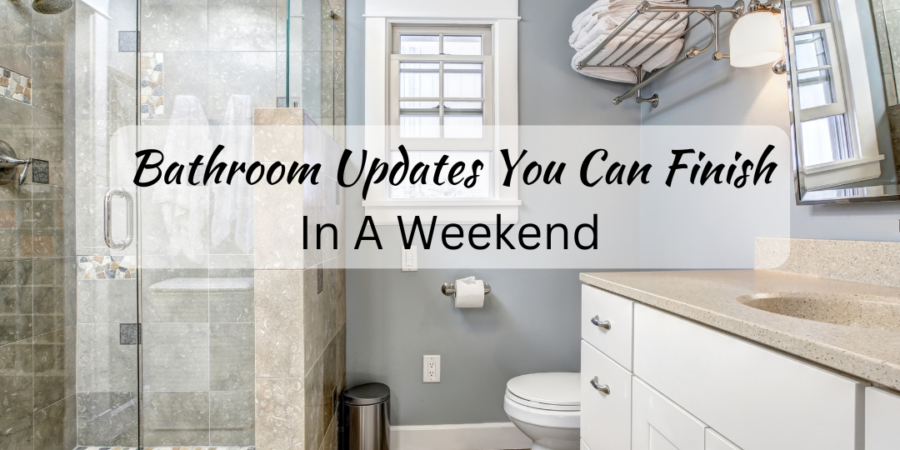
Bathroom Upgrades You Can Finish in a Weekend


Are you looking to give your bathroom a fresh new look without breaking the bank? You don’t need to hire an expensive contractor or spend weeks on renovations. In fact, there are several easy and inexpensive do-it-yourself (DIY) projects you can complete in just a weekend. Here are ten affordable bathroom upgrades you can finish in a weekend that will transform your space, making it feel fresh and updated.

Bathroom Upgrades You Can Finish in a Weekend

Let’s get started…

1. Fresh Coat of Paint

One of the easiest and most cost-effective ways to refresh your bathroom is by giving it a new coat of paint. Choose a color that complements your tiles and fixtures. Lighter shades can make the room feel bigger, while darker colors add a touch of elegance.

Steps:

  1. Remove any decorations and cover fixtures with painter’s tape.
  2. Clean the walls to remove any dirt or grime.
  3. Use a roller to paint the larger areas and a brush for edges and corners.
  4. Allow the paint to dry completely before adding a second coat if necessary.
  5. Enjoy your refreshed space!

2. Update the Hardware

Replacing old hardware like faucets, drawer pulls, and towel bars is a quick and simple way to modernize your bathroom. Choose finishes that match your style, such as brushed nickel or matte black.

Steps:

  1. Use a screwdriver to remove the old hardware.
  2. Attach the new hardware using the screws provided.
  3. Make sure everything is tightly secured.
  4. Immediately notice the uplift in your bathroom’s appearance!

3. Install Peel-and-Stick Backsplash

Adding a backsplash can transform your bathroom, giving it a polished look. Peel-and-stick tiles are an easy and budget-friendly option.

Steps:

  1. Measure the area where you will apply the backsplash.
  2. Clean the wall to ensure the tiles adhere properly.
  3. Peel off the backing and carefully stick the tiles onto the wall.
  4. Smooth out any bubbles with a flat object.
  5. Trim any excess using a utility knife for a perfect fit.

4. Refresh Grout Lines

Dirty and stained grout can make a bathroom look outdated. Refreshing the grout lines can make your tiles look brand new.

Steps:

  1. Use a grout cleaner or a mixture of baking soda and water.
  2. Apply the cleaner to the grout lines and scrub with a stiff brush.
  3. Rinse the area with water and let it dry.
  4. Consider using a grout pen to recolor the grout for a more dramatic change.

5. Replace the Shower Curtain and Liners

A new shower curtain can instantly add a pop of color and pattern to your bathroom. Choose a fabric and design that complements your bathroom’s theme.

Steps:

  1. Remove the old shower curtain and liner.
  2. Choose a new curtain and liner that fit your style.
  3. Hang them up, making sure they are attached securely.
  4. Enjoy the fresh new look.

6. Add New Lighting

Proper lighting can make a big difference in any bathroom. Swap out old fixtures for new, modern ones to brighten up the space.

Steps:

  1. Turn off the electricity to the bathroom.
  2. Remove the old light fixture.
  3. Follow the manufacturer’s instructions to install the new fixture.
  4. Turn the electricity back on and test the new lighting.

7. Install Shelving for Extra Storage

Adding shelves can maximize your storage space and keep your bathroom organized. Floating shelves are a stylish and practical choice.

Steps:

  1. Measure the wall space where you’ll install the shelves.
  2. Use a level to ensure they’ll be straight.
  3. Attach the brackets to the wall with screws.
  4. Place the shelves on the brackets and secure them.
  5. Arrange your toiletries and decorations for a clutter-free bathroom.

8. Frame Your Bathroom Mirror

Framing a plain bathroom mirror can give it a more finished and elegant look.

Steps:

  1. Measure the mirror and cut the frame pieces to size.
  2. Paint or stain the frame to match your bathroom decor.
  3. Attach the frame to the mirror using mirror adhesive.
  4. Hold the frame in place until the adhesive sets.
  5. Admire your handiwork!

9. Upgrade to a Rain Showerhead

Swapping your old showerhead for a rain showerhead can make your daily shower feel more luxurious.

Steps:

  1. Unscrew the old showerhead.
  2. Apply plumber’s tape to the threads of the shower arm.
  3. Screw on the new rain showerhead.
  4. Tighten with a wrench if necessary.
  5. Test the water flow and enjoy your upgraded shower experience.

10. Add a Fresh Set of Towels and Bath Mats

New towels and bath mats can add color and comfort to your bathroom.

Steps:

  1. Choose towels and mats that match your bathroom’s color scheme.
  2. Replace old, worn towels and bath mats with the new ones.
  3. Arrange them neatly to add a touch of style.

Final Thoughts

With just a weekend of your time and a modest budget, you can easily transform your bathroom into a refreshed and inviting space. These ten DIY upgrades are simple yet impactful, making your bathroom feel like new without a major renovation. So roll up your sleeves, gather your supplies, and get started on these affordable bathroom upgrades you can finish in a weekend!

Additional Resources:


Downsizing June 24, 2024

Downsizing Without Sacrificing Comfort: Discover the Must-Have Features for Your Cozy New Home

As you plan to downsize for retirement or if you’re a first-time homebuyer, it’s crucial to make thoughtful decisions. This guide will explore the must-have features that can make your new home cozy and comfortable while ensuring you don’t compromise on essential comforts. Let’s look at downsizing without sacrificing comfort.

Discover the Must-Have Features: Downsizing Without Sacrificing Comfort!

1. Location, Location, Location!

When downsizing, the home’s location becomes even more critical. Start by choosing a neighborhood that offers convenience and accessibility to amenities.

  • Close Proximity to Essential Services: Ensure your new home is near hospitals, grocery stores, pharmacies, and public transportation. Being close to these essentials helps save time and effort, making everyday tasks easier.
  • Walkability: Look for neighborhoods with good walkability scores. Sidewalks, parks, and walking trails enhance your quality of life by providing opportunities for leisurely strolls and outdoor activities.
  • Community Feel: Seek a neighborhood known for its friendly community vibe. Whether it’s an active senior community or a quiet suburb, feeling a part of a community can significantly enhance your retirement experience.

2. Accessible Design and Aging in Place Features

Ensuring your new home is accessible not only enhances comfort but also future-proofs your living situation.

  • Single-Story Living: One-level homes minimize the need for stairs, reducing the risk of falls and making it easier to maneuver.
  • Wide Doorways and Hallways: Ensure doorways and hallways are wide enough to accommodate walkers or wheelchairs, enhancing mobility and safety.
  • No-Step Entrances: A home without steps at the entrance is crucial for accessibility. Zero-step entries ensure you and your visitors have an easy time entering the home.
  • Lever-Style Handles: Lever-style door and faucet handles are easier to use, especially for those with arthritis or limited hand strength.

3. Smart and Efficient Space Utilization

Downsizing means making the most of every square foot. Efficient space utilization ensures that your home remains functional without feeling cramped.

  • Open Floor Plans: Open layouts make smaller spaces feel larger and more inviting. This design allows for easier movement and greater flexibility in furniture arrangement.
  • Multi-Functional Rooms: Consider rooms designed to serve multiple purposes. For instance, a guest room that doubles as an office or a dining room with built-in storage can be incredibly functional.
  • Built-In Storage Solutions: Look for homes with built-in shelves, closets, and other storage solutions. These features help maximize space without overwhelming the home with furniture.

4. Energy Efficiency

Energy-efficient homes save money and support a comfortable living environment. Look for these features:

  • Insulation and Windows: Well-insulated walls and energy-efficient windows keep the home warm in the winter and cool in the summer. These features can significantly reduce energy costs.
  • Efficient Appliances: Modern, energy-efficient appliances like refrigerators, washing machines, and HVAC systems can lower utility bills and are often more reliable and easier to maintain.
  • LED Lighting: LED lights are energy-efficient, have a longer lifespan, and offer better lighting quality than traditional bulbs.

5. Modern Conveniences and Smart Home Technology

Today’s technology can significantly enhance the comfort and safety of your downsized home.

  • Smart Thermostats: These devices allow you to control your home’s temperature from your smartphone, ensuring comfort while saving energy.
  • Home Security Systems: Modern home security systems provide peace of mind. Look for systems with cameras, alarms, and remote monitoring capabilities.
  • Smart Appliances: Consider appliances that connect to your home network, allowing for remote control and monitoring. This technology can make managing household routines simpler.

6. Outdoor Living Space

Even if downsizing means a smaller yard or outdoor area, having a comfortable and inviting outdoor space can enhance your living experience.

  • Patios and Decks: An easily accessible patio or deck offers a perfect spot for relaxation, gardening, or entertaining guests without requiring extensive maintenance.
  • Low-Maintenance Landscaping: Opt for landscaping that requires minimal upkeep. Native plants, shrubs, and hardscaping features like rocks and pavers can create a beautiful yet easy-to-maintain outdoor space.
  • Community Amenities: If you’re moving into a condo or a retirement community, check out the available shared outdoor spaces, such as gardens, pools, or walking paths.

7. Safety Features

Safety should be a priority, particularly for retirees.

  • Smoke and Carbon Monoxide Detectors: Ensure these detectors are up-to-date and properly installed. Some newer models can connect to your phone, alerting you to issues even when you’re not home.
  • Grab Bars and Handrails: Installing grab bars in the bathroom and handrails along stairs and hallways can prevent slips and falls.
  • Good Lighting: Adequate lighting, especially in entryways, hallways, and staircases, is essential for safety. Consider motion-sensor lights to illuminate pathways when needed.

8. Proximity to Family and Friends

Maintaining social connections is vital, so consider geographic proximity to your loved ones.

  • Close to Family: Being near family can provide a support system and opportunities for regular visits. It’s crucial for emotional well-being.
  • Community and Social Activities: Choose a location where you can easily engage in social activities, be it volunteering, hobbies, or clubs. Active social life can significantly enhance your quality of life.

Conclusion

Downsizing your home for retirement or as a first-time homebuyer doesn’t mean sacrificing comfort. By carefully considering these key features — from location and accessible design to efficient space utilization and modern conveniences — you can create a cozy, functional, and enjoyable new living space that suits your needs. Prioritize downsizing without sacrificing comfort with these elements to ensure you’ll live comfortably and stylishly while embracing a simpler, more manageable lifestyle in Cape Girardeau County, Missouri.

Additional Resources:

Selling A Home April 3, 2024

5 Outdoor Projects to Boost Curb Appeal When Selling Your Home

When it comes to selling your home, first impressions matter. One of the key aspects of creating a positive first impression is enhancing your home’s curb appeal. Potential buyers often judge a house by its exterior. A well-maintained and visually appealing outdoor space makes a significant difference in attracting buyers and securing a higher sale price. Here are five outdoor projects to help you boost curb appeal when selling your home to stand out in the market.

Boost Curb Appeal When Selling Your Home

  1. Landscaping Refresh
    Start by tidying up your garden beds, removing weeds, and trimming overgrown plants and bushes. Consider adding fresh mulch to give your landscaping a polished look. Adding colorful flowers and plants can also inject life and vibrancy into your outdoor space, creating an inviting atmosphere for potential buyers.
  2. Exterior Painting or Power Washing
    A fresh coat of paint can do wonders for your home’s exterior. If your siding or trim looks worn or faded, consider giving it a fresh coat of paint in a neutral color palette that appeals to most buyers. At a minimum, a thorough power washing can help remove dirt, grime, and mildew, giving it a clean and well-maintained appearance.
  3. Front Door Upgrade
    Your front door is one of the first things potential buyers will notice, so make sure it makes a statement. Consider giving it a fresh coat of paint in a bold color that complements your home’s exterior. Another option is to replace it with a new, stylish door that adds character and charm to your entryway.
  4. Outdoor Lighting
    Proper outdoor lighting not only enhances the safety and security of your home but also adds to its visual appeal. Install pathway lights along your walkway, porch lights, and accent lighting to highlight architectural features or landscaping elements. Lighting up your outdoor space can create a warm, welcoming ambiance that appeals to buyers.
  5. Patio or Deck Enhancement
    If you have a patio or deck, maximizing its potential can greatly increase your home’s appeal. Clean and repair any damaged or weathered surfaces. Also, consider adding outdoor furniture, potted plants, and decorative elements to create an inviting outdoor living space. Highlight the versatility of the area by staging it with seating arrangements or outdoor dining setups to help buyers envision themselves enjoying the space.

In conclusion, investing time and effort into these outdoor projects can significantly enhance your home’s curb appeal and make it more attractive to potential buyers. You can create a lasting impression that will entice buyers when you focus on landscaping, exterior maintenance, and enhancing key features. Ultimately, when you boost curb appeal when selling your home, you sell your home faster and at a better price.

Things To Consider When Selling Your Home

Thinking about selling? Here are some tips for the best time to sell your home.

Buying A Home December 27, 2023

Get Ready To Buy a Home by Improving Your Credit Score

The idea of buying a new home might be on your mind in the next year. It’s an exciting goal to set, and it’s never too early to start laying the groundwork. One crucial step to prepare for homeownership is improving your credit score.

Improving Your Credit Score

Lenders review your credit to assess your ability to make payments on time, pay back debts, and more. It’s also a factor that helps determine your mortgage rate. An article from CNBC explains:

“When it comes to mortgages, a higher credit score can save you thousands of dollars in the long run. This is because your credit score directly impacts your mortgage ratewhich determines the amount of interest you’ll pay over the life of the loan.”

This means your credit score may feel even more important to your homebuying plans right now since mortgage rates are a key factor in affordability, especially today.

According to the Federal Reserve Bank of New York, the median credit score in the U.S. for those taking out a mortgage is 770. But that doesn’t mean your credit score has to be perfect. An article from Business Insider explains generally how your FICO score range can make an impact:

“. . . you don’t need a perfect credit score to buy a house. . . . Aiming to get your credit score in the ‘Good’ range (670 to 739) would be a great start towards qualifying for a mortgage. But if you’re wanting to qualify for the lowest rates, try to get your score within the ‘Very Good’ range (740 to 799).”

Working with a trusted lender is the best way to get more information on how your credit score could factor into your home loan and the mortgage rate. As FICO says:

“While many lenders use credit scores like FICO Scores to help them make lending decisions, each lender has its own strategy, including the level of risk it finds acceptable. There is no single “cutoff score” used by all lenders and there are many additional factors that lenders may use to determine your actual interest rates.”

If you’re looking for ways to improve your score, Experian highlights some things you may want to focus on:

  • Your Payment History: Late payments can have a negative impact by dropping your score. Focus on making payments on time and paying any existing late charges quickly.
  • Your Debt Amount (relative to your credit limits): When it comes to your available credit amount, the less you’re using, the better. Focus on keeping this number as low as possible.
  • Credit Applications: If you’re looking to buy something, don’t apply for additional credit. When you apply for new credit, it could result in a hard inquiry on your credit that drops your score.

A lender will help guide you through the process from start to finish, from assessing which range your score falls into and telling you more about the specifics for each loan type.

Bottom Line

As you set your sights on buying a home in the upcoming year, focusing on improving your credit score could help you get a better mortgage rate when the time comes. If you want to learn more, connect with a trusted lender.

First Time Home Buyer Guide

Resources

More resources for your homeownership journey:

Buying A HomeReal EstateSelling A Home December 15, 2023

2023 Housing Trend

If you’re thinking about moving, it’s important to understand the 2023 housing trend. Here’s an update on the supply of homes currently for sale. Whether you’re buying or selling, the number of homes in your area is something you should pay attention to.

2023 Housing Trend – Number of Homes Coming onto the Market

In the housing market, there are regular patterns that happen every year, called seasonality. Spring is the peak homebuying season and also when most homes are typically listed for sale (homes coming onto the market are known in the industry as new listings). In the second half of each year, the number of new listings typically decreases as the pace of sales slows down.

The graph below uses data from Realtor.com to provide a visual of this seasonality. It shows how this year (the black line) is breaking from the norm (see graph below):

Looking at this graph, three things become clear:

  • 2017-2019 (the blue and gray lines) follow the same general pattern. These years were very typical in the housing market and their lines on the graph show normal, seasonal trends.
  • Starting in 2020, the data broke from the normal trend. The big drop down in 2020 (the orange line) signals when the pandemic hit and many sellers paused their plans to move. 2021 (the green line) and 2022 (the red line) follow the normal trend a bit more, but still are abnormal in their own ways.
  • This year (the black line) is truly unique. The steep drop off in new listings that usually occurs this time of year hasn’t happened. If 2023 followed the norm, the line representing this year would look more like the dotted black line. Instead, what’s happening is the number of new listings is stabilizing. And, there are even more new listings coming to the market this year compared to the same time last year.

What Does This Mean for You?

  • For buyers, new listings stabilizing is a positive sign. It means you have a more steady stream of options coming onto the market and more choices for your next home than you would have at the same time last year. This opens up possibilities and allows you to explore a variety of homes that suit your needs.
  • For sellers, while new listings are breaking seasonal norms, inventory is still well below where it was before the pandemic. If you look again at the graph, you’ll see the black line for this year is still lower than normal, meaning inventory isn’t going up dramatically and prices aren’t heading for a crash. And with less competition from other sellers than you’d see in a more typical year, your house has a better chance to be in the spotlight and attract eager buyers.

So there you have it…the 2023 housing trend. Whether you’re on the hunt for your next home or thinking of selling, now might just be the perfect time to make your move. If you have questions or concerns about the availability of homes in our local area, let’s connect.

Things To Consider When Selling Your House

Resources

More resources for your homeownership journey:

Buying A Home July 28, 2023

Owning Your Home Helps You Build Wealth

You may have heard some people say it’s better to rent than buy a home right now. But, even today, there are lots of good reasons to become a homeowner. One of them is that owning a home is typically viewed as a good long-term investment that helps your net worth grow over time. Let’s look at how owning your home helps you build wealth.

Owning Your Home Helps You Build Wealth Regardless of Income Level

You may be surprised to learn homeowners across various income levels have a much higher net worth than renters who make the same amount. Data from First American helps illustrate this point (see graph below):

What makes wealth so much higher for homeowners? A recent article from Realtor.com says:

“Homeownership has long been tied to building wealth—and for good reason. Instead of throwing rent money out the window each month, owning a home allows you to build home equity. And over time, equity can turn your mortgage debt into a sizeable asset.”

Basically, the wealth you accumulate when you own a home has a lot to do with equity. As a homeowner, equity is built up as you pay down your loan and as home prices appreciate over time. Mark Fleming, Chief Economist at First American, explains how this same benefit isn’t true for renters in a recent podcast:

“Renters as non-homeowners gain no wealth benefit as home prices rise. That wealth actually accrues to the landlord.”

Before you decide to sign another rental agreement, now is a good time to think about whether it would be better for you to buy a home instead. The best way to figure out what makes sense for you is to have a conversation with a real estate professional you trust. That professional can talk you through the benefits that come with owning to determine if that’s the right next step for you. 

Bottom Line

If you’re not sure whether to keep renting or buying a home, know that owning a home, no matter how much money you make, can help build your wealth. Let’s connect now to get started on the path to homeownership.

Buyer's Guide

Resources

More resources for your homeownership journey:

Finance May 19, 2023

Estate Planning To Secure Your Legacy

Estate planning is often overlooked or delayed, as contemplating our own mortality can be uncomfortable. However, understanding the crucial role of estate planning is essential for ensuring a smooth transition of assets, protecting loved ones, and preserving your legacy. By taking proactive measures, you can alleviate potential burdens and create a secure future for yourself and generations to come.

Estate Planning To Secure Your Legacy

  1. Preserving Wealth and Assets: Estate planning allows individuals to dictate how their wealth and assets will be distributed after their passing. By creating a comprehensive plan, you can ensure that your loved ones receive their intended inheritances, minimizing potential conflicts and legal disputes. From properties and investments to personal belongings and sentimental heirlooms, estate planning safeguards your hard-earned assets and helps you leave a lasting legacy.
  2. Protecting Loved Ones: Estate planning is not solely about finances; it also addresses crucial matters such as guardianship for minor children and care for dependents with special needs. By appointing guardians and establishing trusts, you can ensure that your children are cared for by individuals you trust and that their financial well-being is secure. Additionally, estate planning allows you to plan for unforeseen circumstances, such as incapacity, by designating healthcare proxies and granting powers of attorney.
  3. Minimizing Tax Burdens: One of the key advantages of estate planning is the opportunity to minimize tax liabilities for your heirs. Through strategic planning, you can take advantage of various tax-saving strategies, such as gifting, charitable donations, and trust structures. These measures can significantly reduce estate taxes and maximize the amount passed on to your beneficiaries, providing them with a more substantial financial foundation.

Secure Your Legacy

Estate planning to secure your legacy is an indispensable process that ensures the smooth transfer of assets, protects loved ones, and minimizes tax burdens. By taking the time to create a well-thought-out estate plan, you can enjoy peace of mind knowing that your wishes will be carried out, your loved ones will be taken care of, and your legacy will endure for generations to come. Start the estate planning process today to secure a prosperous and organized future.

Resources

Thinking about retirement? Here are some helpful resources:

Buying A Home April 27, 2023

Three Factors Affecting Home Affordability Today

There’s been a lot of focus on higher mortgage rates and how they’re creating affordability challenges for today’s homebuyers. It’s true that rates climbed dramatically since the record-low we saw during the pandemic. But home affordability is based on more than just mortgage rates – here are three factors affecting home affordability today.

Considering how each one of these factors is changing gives you the full picture of home affordability today. Here’s the latest.

Three Factors Affecting Home Affordability Today

1. Mortgage Rates

While mortgage rates are higher than they were a year ago, they’ve hovered primarily between 6% and 7% for nearly eight months now (see graph below):

As the graph shows, mortgage rates have experienced some volatility during that time. And even a small change in mortgage rates impacts your purchasing power. That’s why it’s so important to lean on your team of real estate professionals for expert advice to stay up to date on what’s happening in the market. While it’s hard to project where mortgage rates will go from here, many experts agree they’ll likely continue to remain around 6%-7% in the immediate future. 

2. Home Prices

Over the past few years, home prices appreciated rapidly as the record-low mortgage rates we saw during the pandemic led to a surge in buyer demand. The heightened buyer demand happened while the supply of homes for sale was at record lows, and that imbalance put upward pressure on home prices. However, today’s higher mortgage rates have slowed down price appreciation.

And, the truth is, home price appreciation varies by market. Some areas are seeing slight declines while others have prices that are climbing. As Selma Hepp, Chief Economist at CoreLogic, explains:

“The divergence in home price changes across the U.S. reflects a tale of two housing markets. Declines in the West are due to the tech industry slowdown and a severe lack of affordability after decades of undersupply. The consistent gains in the Southeast and South reflect strong job markets, in-migration patterns and relative affordability due to new home construction.”

To find out what’s happening with prices in your local market, reach out to a trusted real estate agent.

3. Wages

The most positive factor in affordability right now is rising income. The graph below uses data from the Bureau of Labor Statistics (BLS) to show how wages have grown over time: 

Higher wages improve affordability because they reduce the percentage of your income it takes to pay your mortgage since you don’t have to put as much of your paycheck toward your monthly housing cost.

Home affordability comes down to a combination of rates, prices, and wages. If you have questions or want to learn more, reach out to a real estate professional who can explain what’s happening locally and how these factors work together.

Bottom Line

If you’re planning to buy a home, knowing the key factors that impact affordability is important so you can make an informed decision. To stay up to date on the latest on each, let’s connect today.

Resources

More resources for your homeownership journey:

DownsizingSelling A Home April 12, 2023

A Smaller Home Could Be Your Best Option

Many people are at the stage in their lives where they must choose where they will live after they retire. If you’re a homeowner who is about to enter this stage, you may be wondering if a small home could be your best option. Jessica Lautz, Deputy Chief Economist and Vice President of Research at the National Association of Realtors (NAR), says:

Continue reading
Uncategorized April 5, 2023

Trying To Buy a Home?

We’re still in a sellers’ market. And if you’re trying to buy a home, that means you’re likely facing some unique challenges, like difficulty finding a home and volatile mortgage rates. But keep in mind, there are some benefits to being a buyer in today’s market that give you good reason to stick with your search. Here are a few of them.

Trying To Buy A Home?

Long-Term Benefits Outweigh Short-Term Challenges

Owning a home grows your net worth – and since building that wealth takes time, it makes sense to start as soon as you can. If you wait to buy and keep renting, you’ll miss out on those monthly housing payments going toward your home equity. Freddie Mac puts it this way:

“Homeownership not only builds a sense of pride and accomplishment, but it’s also an important step toward achieving long-term financial stability.”

The key there is long-term because the financial benefits homeownership provides, like home value appreciation and equity, grow over time. Those benefits are worth the short-term challenges today’s sellers’ market presents.

Mortgage Rates Are Constantly Changing

Mortgage rates have been hovering around 6.5% over the last several months. However, as Sam Khater, Chief Economist at Freddie Mac, notes, they’ve been coming down some recently:

“Economic uncertainty continues to bring mortgage rates down. Over the last several weeks, declining rates have brought borrowers back to the market . . .”

Lower mortgage rates improve your purchasing power when you buy, and that can help make homeownership more affordable. Hannah Jones, Economic Data Analyst at realtor.com, explains:

“As we move into the spring buying season, mortgage rates have ticked lower, a welcomed sign of progress towards affordability.”

The recent drop in mortgage rates is good news if you couldn’t afford to buy a home when they peaked.

Home Prices Will Increase

According to the Home Price Expectation Survey, which polls over 100 real estate experts, home values will go up steadily over the next few years after a slight decline this year (see graph below):

Rising home prices in the coming years mean two things for you as a buyer:

  • Waiting to buy a home could mean it’ll become more expensive to do so.
  • Buying now means the value of your home, and your net worth will likely grow over time.

Bottom Line

If you’ve been trying to buy a home, hang in there. Mortgage rates have ticked down some recently, home prices are forecast to increase in the coming years, and the long-term benefits of homeownership outweigh many of the short-term challenges.

Resources

More resources for your homeownership journey: